
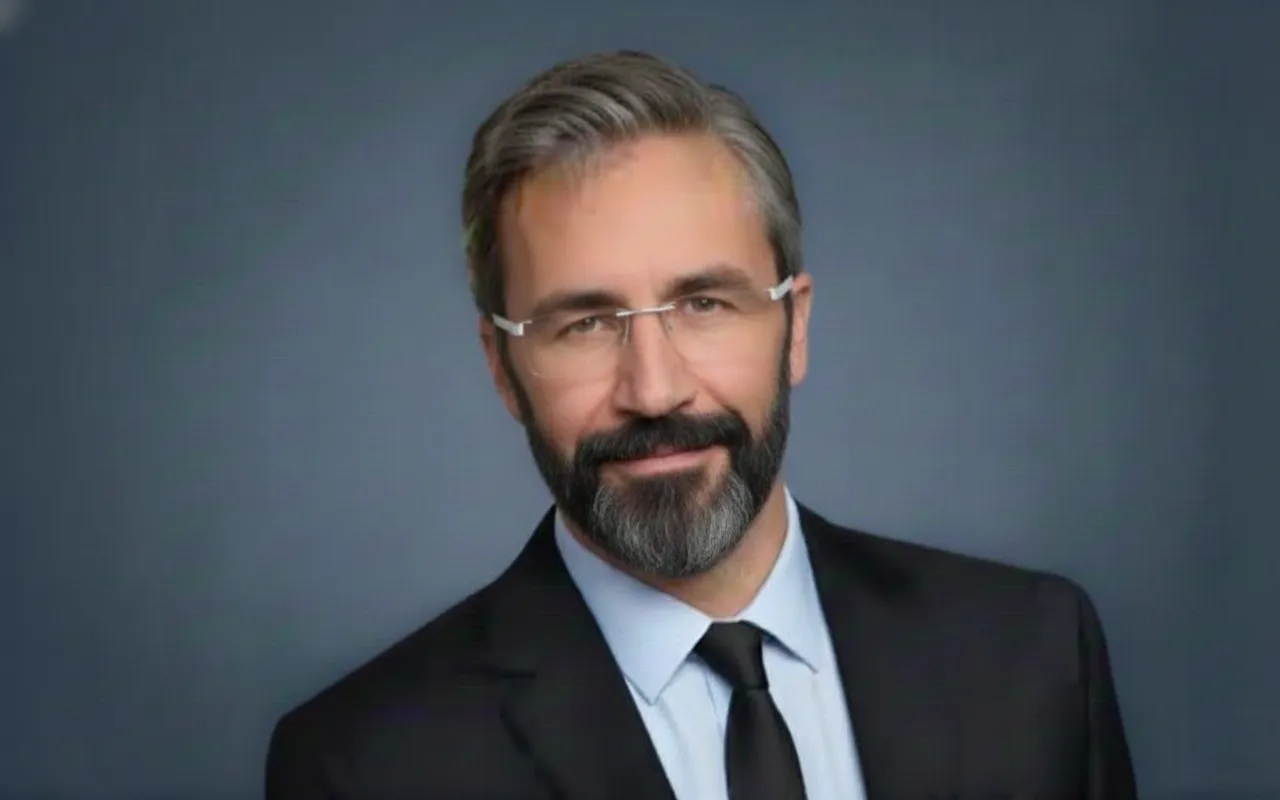
Denis Villeneuve is a Canadian film director and screenwriter whose work is widely examined in contemporary film studies, auteur theory, and narrative cinema analysis. Active since the late 1990s, Villeneuve is known for his sustained engagement with philosophical inquiry, psychological tension, and moral ambiguity across both independent cinema and large-scale studio productions. His films reflect a deliberate balance between formal restraint, narrative rigor, and expansive visual scale.
Quick Facts
| Field | Details |
|---|---|
| Full Name | Denis Villeneuve |
| Date of Birth | October 3, 1967 |
| Age | 58 years (as of 2026) |
| Place of Birth | Gentilly, Bécancour, Quebec, Canada |
| Nationality | Canadian |
| Ethnicity | French-Canadian |
| Languages | French, English |
| Profession | Film director, screenwriter, producer |
| Years Active | 1998–present |
Early Life and Family Background
Denis Villeneuve was born on October 3, 1967, in the village of Gentilly in Bécancour, Quebec. He was raised in a French-Canadian household that emphasized education, intellectual independence, and storytelling. His father, Jean Villeneuve, worked as a notary, while his mother, Nicole Demers, was a homemaker.
Villeneuve grew up with three younger brothers, including filmmaker Martin Villeneuve. His mother’s feminist perspective influenced his early sensitivity to questions of power, ethics, and social responsibility—concerns that later became central to his cinematic themes.
Family
Parents
| Parent | Details |
|---|---|
| Father | Jean Villeneuve, notary |
| Mother | Nicole Demers, homemaker |
Siblings
| Sibling | Details |
|---|---|
| Martin Villeneuve | Younger brother; filmmaker and screenwriter |
| Two younger brothers | Private individuals |
Education
| Category | Details |
|---|---|
| College | Cégep de Trois-Rivières |
| University | Université du Québec à Montréal (UQAM) |
| Field of Study | Cinema |
| Additional Studies | Natural sciences |
Villeneuve’s background in both science and cinema contributed to his methodical approach to narrative structure, pacing, and visual discipline.
Career Development
Career Beginnings
| Film | Year | Notes |
|---|---|---|
| August 32nd on Earth | 1998 | Feature debut |
| Maelström | 2000 | International recognition |
These early works established Villeneuve’s contemplative tone and moral seriousness.
Transition to International and Hollywood Cinema
As his reputation expanded beyond Canada, Villeneuve came to be regarded within the industry as part of the same director-led sphere as filmmakers like Christopher Nolan, while working within a creative ecosystem that aligns with performers such as Leonardo DiCaprio who favor concept-driven, auteur-oriented cinema.
| Film | Year | Impact |
|---|---|---|
| Polytechnique | 2009 | Critical acclaim |
| Incendies | 2010 | Academy Award nominee (Foreign Language Film) |
| Prisoners | 2013 | Mainstream breakthrough |
“Villeneuve’s cinema is defined by restraint, where moral tension emerges through silence as much as action.”
Major Works
| Category | Films |
|---|---|
| Canadian Cinema | Polytechnique, Incendies |
| Psychological / Crime Drama | Enemy, Prisoners, Sicario |
| Science Fiction | Arrival, Blade Runner 2049, Dune, Dune: Part Two |
Relationship Status and Personal Life
| Category | Details |
|---|---|
| Marital Status | Married |
| Spouse | Tanya Lapointe (journalist, filmmaker, producer) |
| Former Partner | Macha Grenon (actress) |
| Children | Three |
Children
| Name | Details |
|---|---|
| Salomé Villeneuve | Daughter; filmmaker. Short film III premiered at the Venice Film Festival. |
| Achille Villeneuve | Son; private life |
| Sacha Villeneuve | Son; private life |
Public Presence and Social Media
Denis Villeneuve does not maintain official personal social media accounts. However, multiple fan-managed pages and film-focused profiles are active across major platforms, documenting his work, public appearances, and film releases.
| Platform | Presence |
|---|---|
| Active fan pages | |
| X (Twitter) | Fan and film-discussion accounts |
| Established fan pages | |
| TikTok | Fan-edited film content |
Net Worth and Professional Earnings
| Field | Details |
|---|---|
| Estimated Net Worth | USD 20–25 million |
| Income Sources | Directing, producing, backend participation |
Lesser Known Facts
- Originally studied natural sciences before formally pursuing cinema.
- Prefers minimal dialogue, often allowing silence and visual composition to carry meaning.
- Frequently explores moral ambiguity rather than clear ethical resolution.
- Known for extensive pre-production planning and precise storyboarding.
- Maintains long-term collaborations with cinematographers, composers, and producers.
- Avoids celebrity-driven publicity and rarely discusses his private life in interviews.
- Has cited literature and philosophy as major influences on his narrative approach.
FAQs
Q: Why are Denis Villeneuve’s films often described as slow-paced?
A: His films prioritize atmosphere, psychological immersion, and moral tension over rapid plot progression.
Q: What themes recur most often in his work?
A: Identity, grief, violence, power, moral responsibility, and the consequences of human choice.
Q: Does Denis Villeneuve write his own films?
A: He frequently collaborates with screenwriters but remains closely involved in narrative development and structure.
Q: Is Denis Villeneuve considered an auteur filmmaker?
A: Yes. His films exhibit consistent thematic concerns, visual discipline, and narrative methodology across genres.
Q: What is Denis Villeneuve best known for?
A: Arrival, Blade Runner 2049, Dune, and Dune: Part Two.
Assessment and Long-Term Significance
Denis Villeneuve’s career demonstrates the sustained application of auteur-driven discipline within contemporary cinema. From Canadian independent filmmaking to global blockbuster production, his work reflects methodological continuity rather than trend-driven reinvention. He remains a central figure in the study of modern cinematic form.
Source Disclaimer:
This profile is compiled from publicly available, reputable institutional sources, including official film industry records, Canadian and international film archives, academic film studies references, open-knowledge repositories, and major international media reporting. Sources used in the preparation of this entry include, but are not limited to:
- National Film Board of Canada and Canadian film archives
- Telefilm Canada and official Canadian cultural heritage records
- Academy of Motion Picture Arts and Sciences awards archives
- National and international media organizations (including The New York Times, The Guardian, Variety, and Associated Press)
- Open-knowledge reference repositories (including Wikipedia and Wikimedia Commons)
- Portrait and reference imagery sourced from Wikimedia Commons under applicable Creative Commons licenses
While certain biographical and financial details may vary across publications, the information presented reflects prevailing scholarly and journalistic consensus at the time of writing and is subject to periodic editorial review.